Princess-Cut Lab-Grown Diamonds
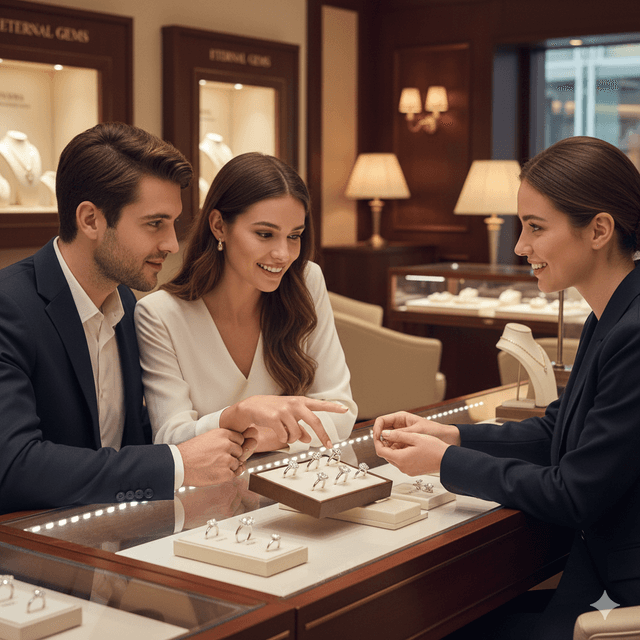
Princess-cut lab-grown diamonds combine a geometric outline with brilliant-style faceting and four pointed corners. Usually square, they suit buyers who enjoy defined edges and an active pattern of sparkle. Their shape also introduces specific buying considerations: the condition of the corners, the visible dimensions and how the diamond will be secured in jewellery.
Princess describes the cutting style, while lab-grown describes the diamond’s origin. For background on how these diamonds are produced, explore our lab-grown diamond guide.
When selecting a loose Princess diamond through Uniglo Diamonds, consider its appearance and intended setting together. A stone that meets your preferred carat weight still needs the right proportions and dimensions for your design.
Understand the Princess Shape and Cutting Style
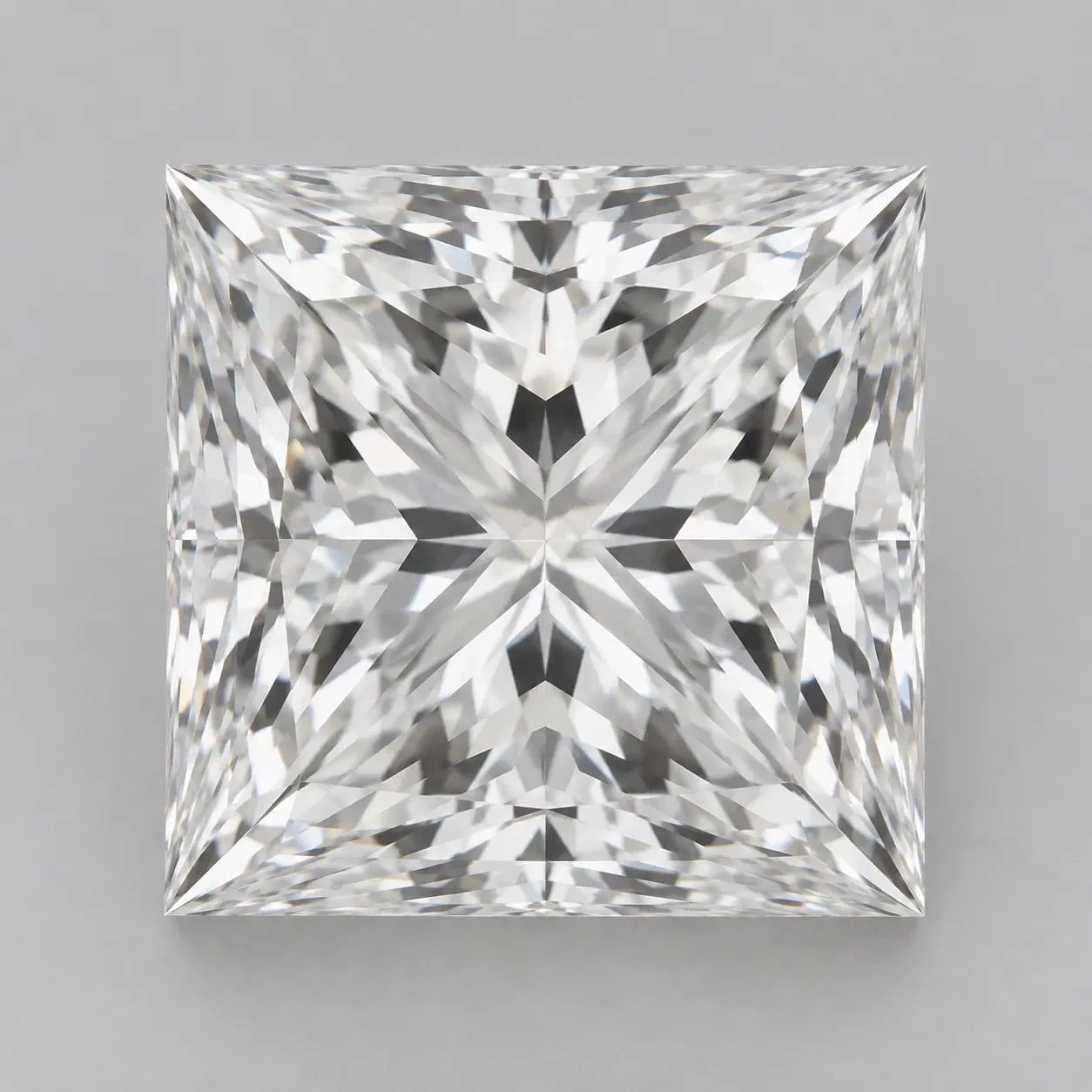
A square Princess diamond may be described on a grading report as a square modified brilliant. This terminology identifies its outline and facet arrangement. GIA also notes that Princess cuts can have rectangular or tapered outlines, so the name alone does not establish the exact proportions of the stone. GIA’s Princess-cut diamond guide.
If you want a distinctly square appearance, compare the length and width shown on the report. Measurements that are close to equal indicate a squarer outline. Also inspect the diamond from above: check whether the sides appear balanced and the corners align evenly.
For a custom design, share a photograph of the outline you prefer. This gives the person sourcing your diamond more useful direction than requesting a Princess cut by carat weight alone.
Look for Sparkle Across the Whole Diamond
Princess diamonds can have different facet arrangements, producing different patterns of sparkle. GIA explains that both the number and arrangement of facets can vary, and that an attractive appearance includes a balance of light and dark reflections. GIA’s guidance on Princess-cut appearance.
For your shortlist, request a face-up photograph and a video of the actual stone where available. Compare diamonds under similar lighting and magnification, watching how the reflections change as each one moves.
Pay attention to the centre as well as the edges. If a substantial area appears consistently dull, ask for another view or a professional assessment. A single photograph can capture reflections from the camera or surrounding environment and may not represent the diamond’s usual appearance.
Read Cut, Polish and Symmetry as Separate Details
An Excellent polish or symmetry grade does not, by itself, establish an Excellent overall cut grade. Check which assessments appear on the actual laboratory report and whether any additional quality description comes from the seller.
IGI assesses fancy-shape cut quality through a process that considers finish, proportions, shape-specific craftsmanship and light return. It explicitly states that proportions alone cannot determine fancy-shape cut quality. IGI’s cut-grading methodology.
Use table and depth percentages as part of that broader assessment. A numerical range can help organise a search, but the final decision should also account for the diamond’s appearance and the laboratory’s findings.
Compare Millimetres Before Choosing a Carat Size
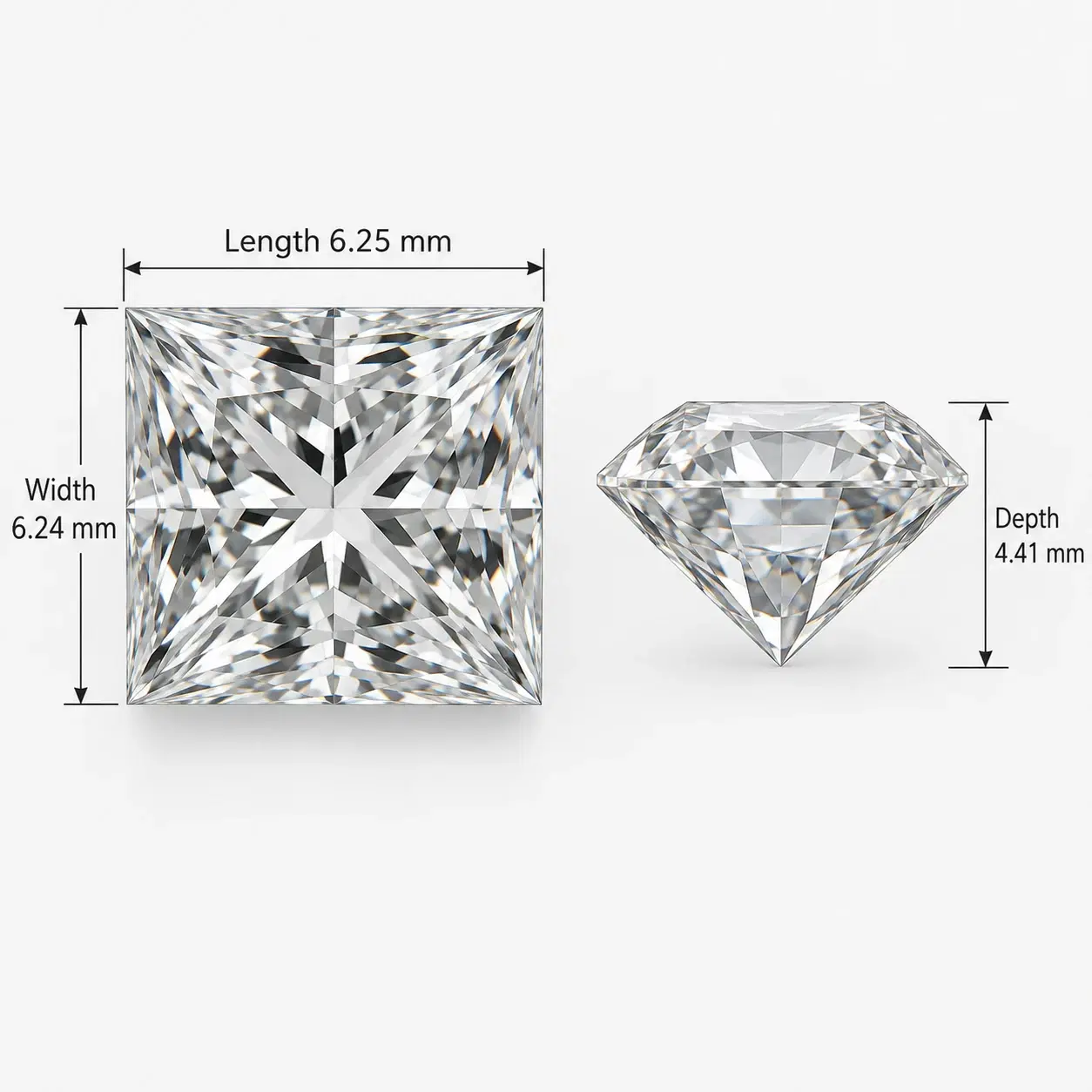
Carat is a measure of weight. Two Princess diamonds with the same carat weight can have different length, width and depth measurements, affecting their visible size and suitability for a setting. IGI’s explanation of diamond weight and dimensions.
When comparing stones, ask for their measurements alongside photographs displayed at the same scale. This helps you judge the practical difference between shortlisted options.
If you already have a ring design, obtain the jeweller’s required dimensions before selecting the diamond. A setting described as suitable for a particular carat weight may still need adjustment for the exact stone.
Plan Protection for the Four Corners
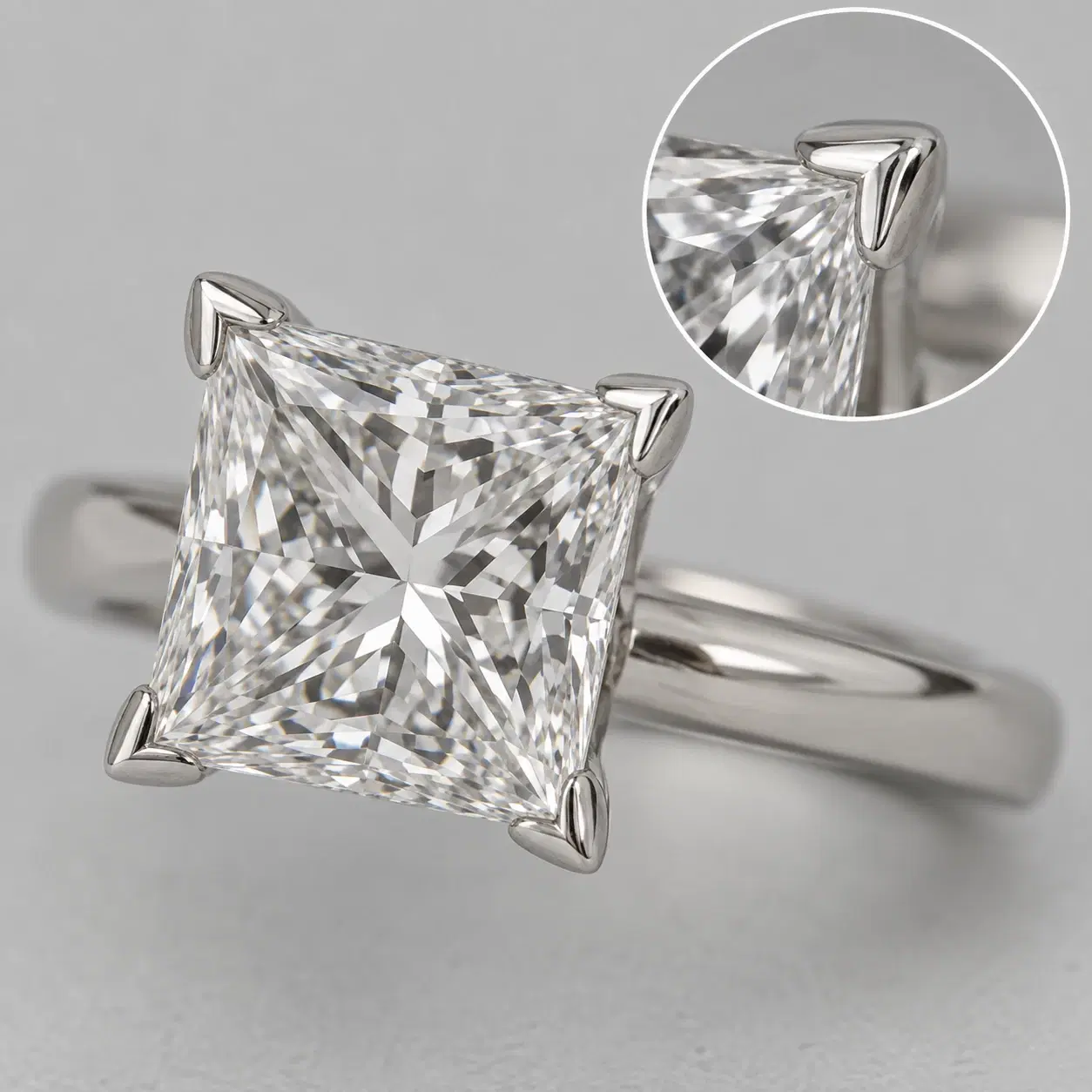
The pointed corners are an important setting consideration. GIA recommends protective settings for Princess diamonds, including appropriately positioned prongs or a bezel. V-shaped prongs can cover the vulnerable points while preserving the square outline. GIA’s guidance on Princess diamond settings.
Discuss corner protection before committing to a setting. Ask your jeweller to inspect the stone and confirm that the mounting fits its dimensions and supports it correctly.
For an engagement ring, consider how the finished piece will be worn as well as how it looks. Corner protection belongs in the initial design discussion, alongside the ring’s height, proportions and comfort.
Assess Colour and Clarity in the Actual Stone
Use the reported colour grade to organise your comparison, then request views taken under consistent, neutral lighting. If your design includes neighbouring diamonds, ask to compare their appearance together before deciding.
Clarity requires attention to both visibility and location. IGI assesses laboratory-grown diamond clarity under magnification, considering characteristics such as their size, number, position and nature. IGI’s laboratory-grown diamond grading explanation.
For a Princess diamond, ask whether any inclusion or surface feature near a corner needs further assessment before setting. “Eye-clean” describes whether inclusions are readily visible without magnification; it does not replace an inspection of the stone’s condition.
Choose the combination of appearance and grading that meets your expectations. A higher clarity grade should not substitute for checking the cut or the corners.
Verify the Diamond Behind the Listing
Before confirming your selection, bring the listing, report and stone identification together. Review:
- Identity: The report number and explicit laboratory-grown designation.
- Specifications: Shape, cutting style, weight, measurements and the quality assessments provided.
- Matching details: Agreement between the listing and report, plus any report-number inscription checked under magnification.
An online report lookup confirms the laboratory’s recorded information. Matching those details to the actual diamond remains a separate part of the buying process.
Report formats vary, so read the document supplied for your shortlisted stone. Our IGI-certified lab-grown diamond guide explains the report fields in more detail.
Request a Quote for Your Preferred Princess Diamond
Provide your budget, preferred measurements or carat range, and intended jewellery design when requesting options. Include any setting requirements already confirmed by your jeweller.
Compare the complete offer for each shortlisted diamond, including its report, dimensions and current availability. Confirm whether the quote covers the loose stone alone and ask about applicable delivery, tax or setting charges. For the broader factors affecting cost, see our lab-grown diamond price guide.
Frequently Asked Questions
Does “square modified brilliant” mean Princess cut?
It is a report description commonly associated with a square Princess diamond. “Square” describes the outline, while “modified brilliant” describes the cutting style. Check the accompanying measurements and photograph to understand the particular stone.
Is there one ideal table and depth combination for Princess-cut lab-grown diamonds?
No combination of those two figures alone guarantees a well-cut diamond. Consider them alongside the laboratory’s assessments, craftsmanship and observed light return.
Can Princess-cut lab-grown diamonds be selected for stud earrings?
Yes. For a pair, compare the visible dimensions, outline, colour and appearance of both diamonds. Ask for the weight of each stone as well as the combined carat weight, and review how the settings will protect their corners.
Is a Princess diamond the same as a square Radiant diamond?
No. A Princess typically has pointed corners, while a Radiant has cropped corners. Both use brilliant-style faceting, but their outlines and cutting arrangements differ. Our diamond shape guide explains the broader distinctions.
Find Your Princess-Cut Lab-Grown Diamond
Share your preferred size, budget and jewellery design with Uniglo Diamonds. If you already have a setting, include its confirmed requirements so these can guide the search.
Request the available Princess diamonds with their reports, measurements and current quotes. Review the individual stones before choosing the one for your design.