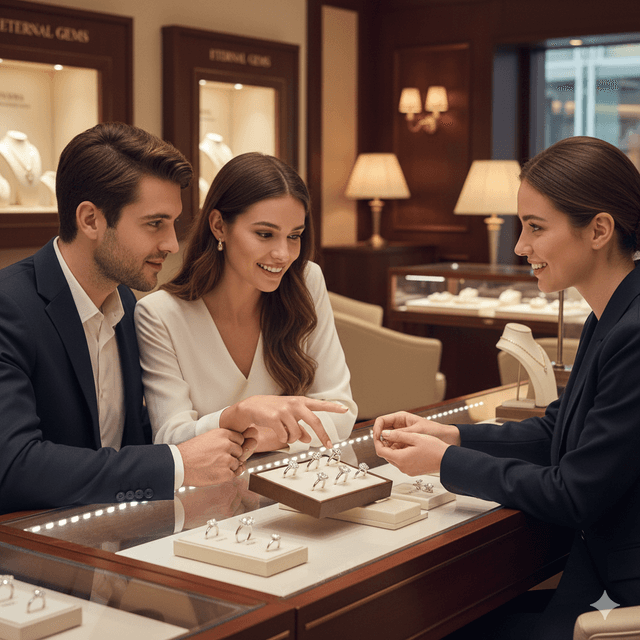
Marquise Lab-Grown Diamonds
Marquise lab-grown diamonds are laboratory-created diamonds fashioned into an elongated outline with curved sides and a point at each end. The shape, also known as a navette, offers a distinctive alternative to round or square diamonds.
Choosing a marquise means considering its width as carefully as its length. A slender outline may appeal to you, but the individual diamond’s symmetry, brightness and suitability for a protective setting matter just as much.
At Uniglo Diamonds, share the proportions you prefer, your budget and the jewellery you are planning. These details provide a useful starting point for comparing available loose marquise diamonds.
Check the Alignment of Both Points
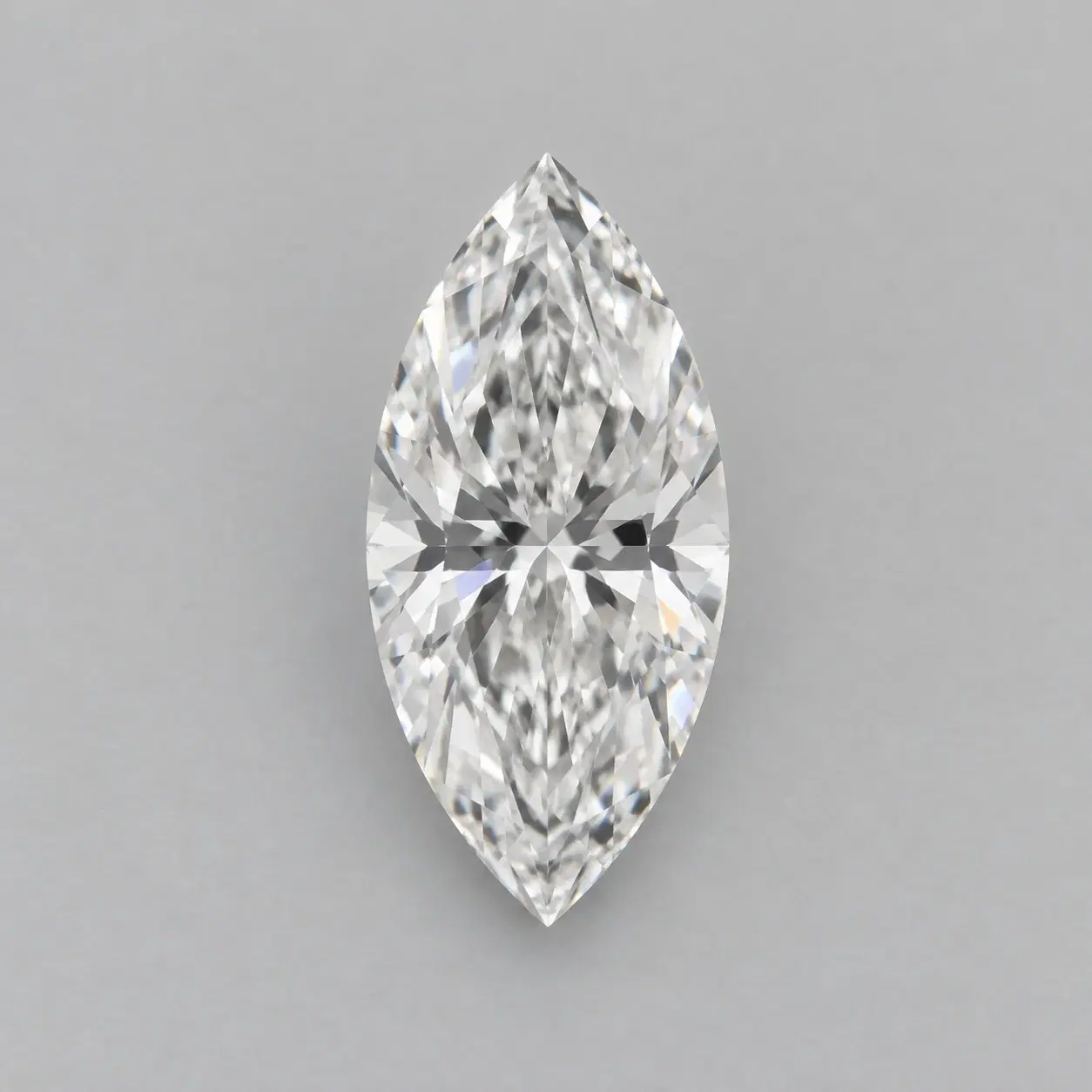
View the diamond with its long axis upright. Check whether both tips sit on the same centre line and whether the curves on either side appear balanced. Then compare the upper and lower halves.
GIA distinguishes between a marquise diamond’s symmetry and the overall appeal of its outline. Both deserve consideration when choosing a stone. GIA’s marquise diamond guide.
For your shortlist, request a straight-on photograph before judging the shape. An angled image can make one side appear wider or one end appear shorter, complicating an otherwise useful comparison.
Compare Length, Width and Visible Size
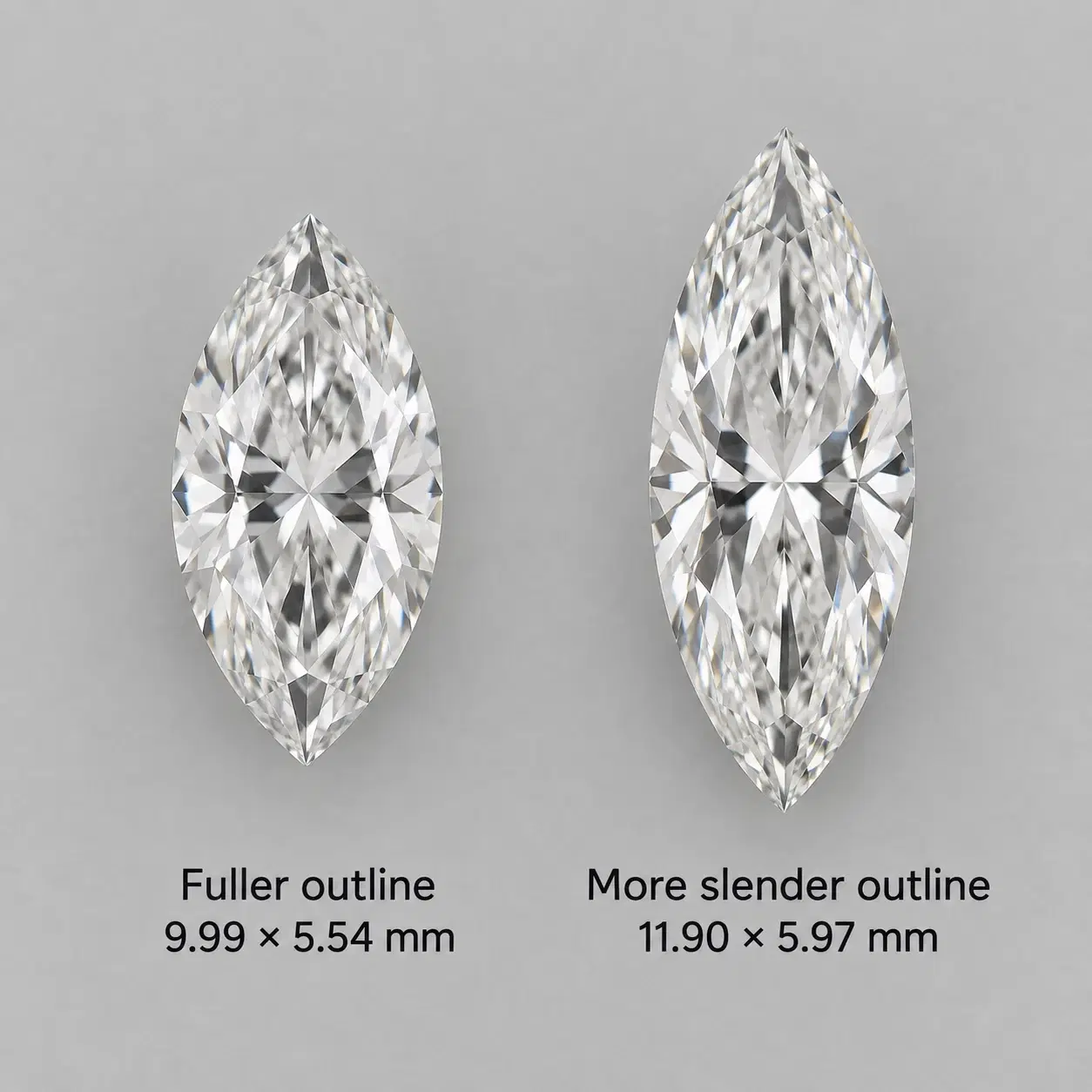
A marquise diamond’s length-to-width ratio expresses how long it is relative to its width. A ratio of 2.00 means the diamond is twice as long as it is wide. A higher figure describes a more elongated outline, but it does not establish superior quality.
Choose a proportion that suits your design, then compare the actual dimensions. Two stones can share a ratio while differing considerably in size, and similar carat weights do not guarantee identical measurements. Carat measures weight rather than physical dimensions. IGI’s explanation of diamond weight and size.
When reviewing options, ask yourself whether you want more length, more width through the centre or a balance between them. If you already have a setting, obtain its required measurements before selecting the diamond.
Evaluate the Bow-Tie Across the Centre
Some marquise diamonds display a bow-tie: a dark pattern across the middle of the stone. Its prominence can affect the overall appearance, particularly when the central shadow interrupts an otherwise bright diamond. GIA identifies bow-tie appearance as an important consideration for this shape. GIA’s guide to diamond shapes.
For buying, our recommendation is to review the actual stone in motion and under more than one lighting condition where possible. Watch how the centre changes as the diamond tilts, rather than making the decision from a single still image.
If the middle remains noticeably dark in the available footage, request another view or a professional assessment. Aim for an appearance you enjoy across the whole diamond, including the central area.
Understand What the Cut Information Tells You
A listing may display table percentage, depth percentage, polish, symmetry and an overall cut description. Read these as distinct pieces of information and check which assessments appear on the laboratory report.
IGI evaluates fancy-shape cut quality through a process that considers finish, proportions, shape-specific craftsmanship and light return. Its methodology explicitly states that proportions alone cannot determine fancy-shape cut quality. IGI’s fancy-shape cut-grading process.
Use numerical filters to organise a search, then review the shortlisted diamonds individually. An attractive ratio or a high polish grade should not replace assessment of the outline and light performance.
Consider Colour and Clarity Along the Entire Stone
When comparing colour, request consistent lighting and a neutral background. Look at the centre and both ends, and ask to see neighbouring stones together if the marquise will be part of a multi-stone design.
Clarity also involves more than a grade abbreviation. IGI assesses laboratory-grown diamond clarity under magnification, taking account of characteristics such as their size, location and nature. IGI’s laboratory-grown diamond grading information.
Ask whether any characteristic near either tip or the outer edge needs particular attention before setting. Separate the question of whether an inclusion is visible from the question of whether it affects the stone’s condition or setting requirements.
Plan Protection for Both Tips
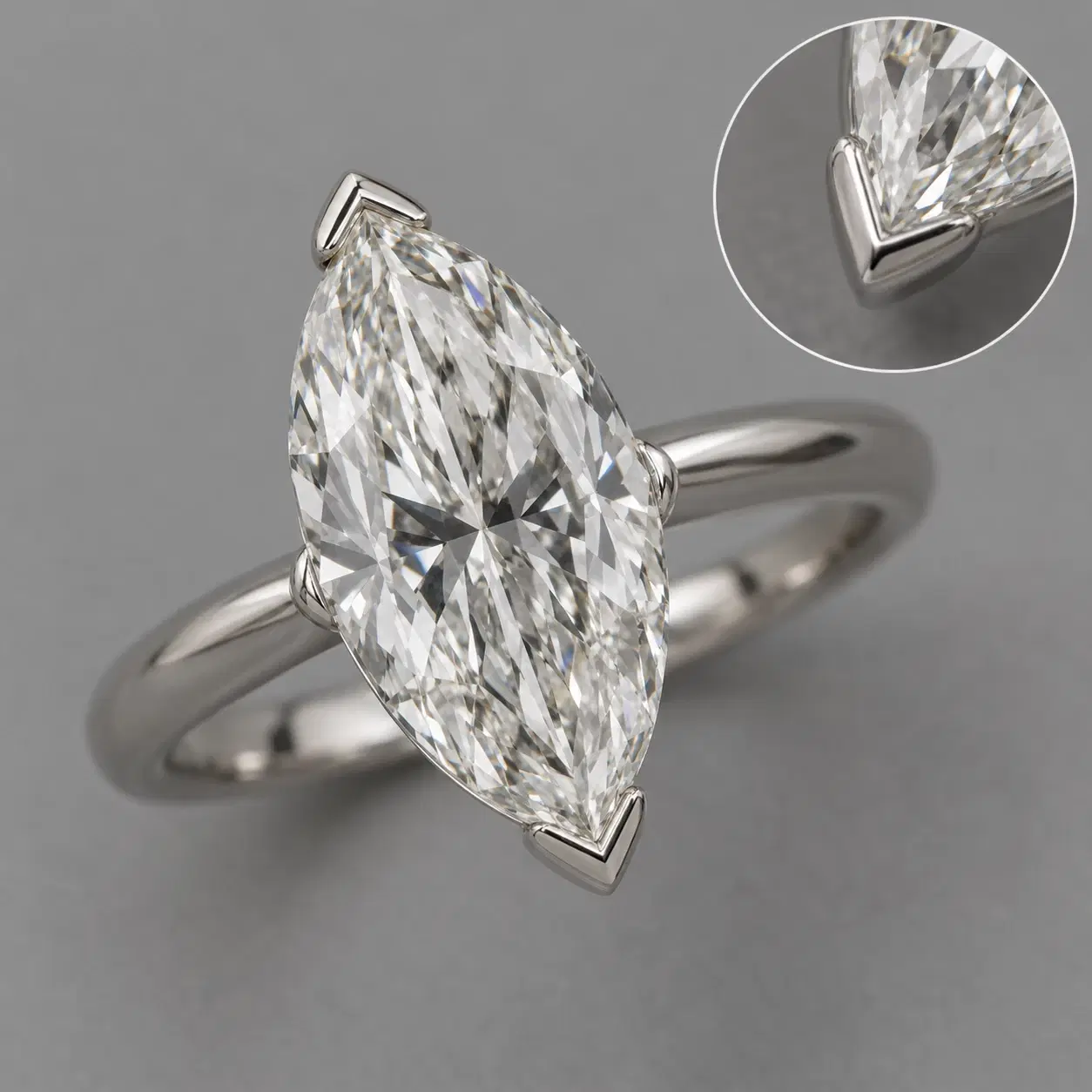
Both pointed ends need attention in the finished jewellery. GIA describes V-shaped prongs or guards at either end as a way to protect a marquise diamond’s vulnerable points. GIA’s marquise setting guidance.
The girdle—the edge around the diamond—also deserves inspection. GIA notes that thin areas can increase damage risk and that slightly greater thickness at the points can be appropriate for a marquise. GIA’s guidance on marquise girdle thickness.
Have your jeweller confirm the fit and support for the actual stone. If it will be used in an engagement ring, consider its orientation and how it will sit beside other jewellery. Our wedding-band matching guide covers the separate decision of pairing the finished ring with a band.
Match the Report to the Diamond Being Offered
Before confirming a purchase, review the report for the specific marquise diamond. Check its laboratory-grown identification, shape and cutting style, weight, dimensions and recorded quality assessments against the listing.
Where a report-number inscription is present, ask for it to be matched under magnification. Online verification establishes the laboratory’s recorded information; identifying the actual stone remains part of the buying process.
For a fuller explanation of the documentation, see our IGI-certified lab-grown diamond guide.
Compare Complete Marquise Diamond Quotes
Provide enough detail for the available options to reflect your preferences:
- Outline and size: Your preferred proportions, approximate dimensions or carat range.
- Design requirements: The intended jewellery and any measurements already specified by your jeweller.
- Budget and review information: Your budget, grading report requirements and a request for actual photographs or video where available.
Check what each quotation includes and confirm current availability. Ask about applicable delivery, taxes and setting charges so you can compare complete offers. Our lab-grown diamond price guide explains the broader factors affecting cost.
Frequently Asked Questions
What are French tips on a marquise diamond?
French tips describe a modification to the facet arrangement at the pointed ends. GIA explains that some cutters use this arrangement to improve durability at the tips. It is a cutting detail; discuss suitable protection with your jeweller when choosing the setting. GIA’s explanation of French tips.
Can a marquise lab-grown diamond be set east-west?
Yes. An east-west setting positions the diamond across the finger rather than along it. Ask your jeweller to assess the chosen stone’s dimensions, comfort and protection of both ends in that orientation.
Is the longest marquise diamond the best value?
Length alone does not determine value. Compare width, appearance, grading details and the complete quote. A longer stone may suit your design, but check whether its overall proportions and brightness meet your preferences.
Does an Excellent cut grade guarantee no visible bow-tie?
No. Treat the grade as part of the assessment rather than a promise of zero central contrast. Review the actual diamond and decide whether its bow-tie appearance is subtle enough for your taste.
Find Your Marquise Lab-Grown Diamond
Tell Uniglo Diamonds whether you prefer a fuller or more slender marquise, the size you have in mind and your budget. Include any setting requirements so they can guide the selection.
Request available options with their measurements, reports and current quotes, then compare the individual stones before deciding.