Lab-Grown Diamonds in Belgium: What Buyers Should Know Before Purchasing (2026)
Lab-grown diamonds are available in Belgium and are a strong choice for buyers who want real diamond beauty, modern design flexibility, and more control over budget. They are created in a laboratory rather than mined from the earth, but they are still real diamonds and can be used for engagement rings, wedding bands, earrings, pendants, tennis bracelets, and custom jewellery.
For buyers searching for lab-grown diamonds in Belgium, Antwerp is one of the most important places to begin the search because of its global connection to the diamond industry. However, buyers should not choose a diamond only because it is sold in Antwerp. The smarter approach is to check the diamond certificate, compare the 4Cs, understand the difference between lab-grown and mined diamonds, and choose a seller that gives clear guidance before purchase.
Why Lab-Grown Diamonds Are Becoming Popular in Belgium
Lab-grown diamonds are becoming more popular in Belgium because modern buyers want choice, clarity, and design flexibility. Many people still want real diamond jewellery, but they also want to understand exactly what they are buying. Lab-grown diamonds give buyers a clear alternative to mined diamonds while still offering diamond beauty for engagement rings, wedding bands, and fine jewellery.
Belgium has a strong connection to the diamond world, especially through Antwerp. This makes it natural for buyers to search for lab-grown diamonds in Belgium, lab diamonds Antwerp, and Antwerp diamond shops. But today's buyers are not only looking for tradition. They are looking for confidence, transparency, and value.
The biggest advantage is flexibility. Buyers can compare different shapes, carat weights, colour grades, clarity grades, and settings before deciding. This makes the buying process more personal and less limited.
What Is a Lab-Grown Diamond?
A lab-grown diamond is a diamond created in a controlled laboratory environment. It is not mined from the earth. It is grown using advanced technology that creates real diamond material with the same physical, chemical, and optical properties as a mined diamond.
For buyers, the most important point is simple: lab-grown diamonds are real diamonds, but their origin is different. They should always be clearly described as lab-grown so the buyer understands what they are purchasing.
Lab-grown diamonds can be cut and polished into the same popular shapes used for diamond jewellery. These include round, oval, emerald, radiant, pear, cushion, princess, marquise, and asscher cuts. They can also be used in the same jewellery categories, including engagement rings, wedding bands, earrings, necklaces, bracelets, and custom pieces.
Lab-Grown Diamonds vs Mined Diamonds
Lab-grown diamonds and mined diamonds are both diamonds, but they come from different sources. Mined diamonds are formed naturally underground and extracted from the earth. Lab-grown diamonds are created in a laboratory environment.
For many buyers in Belgium, the main reason to choose lab-grown diamonds is value. Lab-grown diamonds often allow buyers to explore larger sizes, better colour grades, or more detailed jewellery designs within a budget. This can be especially helpful for engagement rings, where the centre diamond plays a major role in the final look.
Another important difference is disclosure. A trustworthy seller should clearly explain whether a diamond is lab-grown or mined. The buyer should never feel uncertain about the diamond's origin.
When comparing lab-grown and mined diamonds, do not only compare price. Compare the full details: cut, shape, colour, clarity, carat weight, certificate, measurements, and the final jewellery design.
How to Choose a Lab-Grown Diamond in Belgium
The best way to choose a lab-grown diamond is to start with the purpose of the jewellery. Are you buying an engagement ring, wedding band, pendant, earrings, bracelet, or loose diamond? The answer changes what matters most.
For engagement rings, the centre diamond usually matters most. Shape, cut, carat weight, and visual presence are important. For wedding bands, comfort, setting style, and daily wear matter more. For earrings, matching is important. For pendants, the shape and size should suit the chain and neckline. For bracelets, durability and setting security matter because the piece moves more during wear.
After deciding the purpose, compare the 4Cs: cut, colour, clarity, and carat weight. Then check the certificate and speak with a specialist if you are unsure.
Understanding the 4Cs of Lab-Grown Diamonds
The 4Cs are cut, colour, clarity, and carat weight. These help buyers compare diamonds in a structured way.
Cut
Cut affects sparkle. This is one of the most important factors, especially for round diamonds. A well-cut diamond can look brighter and more lively than a larger diamond with weaker proportions. Always prioritise an Excellent or Ideal cut grade.
Colour
Colour describes how colourless or warm the diamond appears. Many buyers choose near-colourless diamonds because they look clean while offering strong value. The best colour grade depends on the diamond shape and metal colour. Yellow gold can complement slightly warmer diamonds, while white gold may make colour differences more noticeable.
Clarity
Clarity refers to internal and external characteristics. Many buyers do not need the highest clarity grade if the diamond looks clean to the eye. The goal is to choose a diamond that looks beautiful without overpaying for a detail that may not be visible.
Carat Weight
Carat weight measures the diamond's weight. Larger carat weights usually cost more, but shape and proportions affect how large the diamond appears. Oval, pear, emerald, and marquise diamonds can sometimes look larger on the finger than round diamonds of similar carat weight.
Best Lab-Grown Diamond Shapes for Belgian Buyers
Diamond shape affects both appearance and price. Here are the most popular shapes for buyers in Belgium:
- Round diamonds are classic and offer the highest level of brilliance.
- Oval diamonds are elegant, flattering, and very popular for modern engagement rings.
- Emerald-cut diamonds have a clean, refined look with step-cut facets.
- Radiant diamonds offer strong sparkle in a square or rectangular shape.
- Pear diamonds are romantic and unique, making the finger appear longer.
- Cushion diamonds feel soft and timeless with a vintage quality.
- Marquise diamonds are long and dramatic, ideal for statement jewellery.
If you are buying your first lab-grown diamond, round, oval, radiant, and emerald cuts are often the easiest to compare and the most versatile for different ring styles.
Lab-Grown Diamond Engagement Rings in Belgium
Lab-grown diamond engagement rings are one of the main reasons buyers search for lab-grown diamonds in Belgium. Couples want rings that look beautiful, feel personal, and fit their budget.
- Solitaire rings keep the focus entirely on the centre diamond and work with almost every shape.
- Hidden halo rings add small diamonds beneath the centre stone for extra sparkle without a busy appearance.
- Pavé band rings add small diamonds along the ring shank for more brilliance.
- Three-stone rings include a centre diamond with two side stones for a meaningful, balanced design.
- Bezel-set rings surround the diamond with metal for a smooth, modern, and secure appearance.
- East-west rings place elongated diamonds horizontally across the finger for a fashion-forward look.
For help choosing an engagement ring style, contact Uniglo Diamonds for personal guidance before making your final choice.
Lab-Grown Diamond Wedding Bands in Belgium
Lab-grown diamond wedding bands are also a strong choice for couples in Belgium. They can be worn with an engagement ring, alone, or as part of a bridal stack.
Popular styles include pavé diamond bands, bezel-set bands, channel-set bands, baguette bands, emerald-cut eternity bands, curved bands, contoured bands, and stackable bands.
For brides, the wedding band should match the engagement ring shape and setting. For grooms, lab-grown diamond wedding bands can be subtle or bold. Couples do not need identical rings. Coordinated wedding bands are often better because each person can choose a ring they actually want to wear every day.
Certified Lab-Grown Diamonds in Belgium
Certification matters because it gives buyers clear information. A diamond grading report helps you understand what you are buying. It may include carat weight, colour, clarity, cut, measurements, polish, symmetry, and other details.
For lab-grown diamonds, the certificate should clearly state that the diamond is laboratory-grown. This protects transparency and avoids confusion.
A certificate does not automatically mean a diamond is perfect for you. It simply gives you the information needed to compare diamonds properly. You still need to consider the jewellery design, budget, and how the diamond looks. Before buying, always ask which certificate comes with the diamond and whether the details match the report.
How Much Do Lab-Grown Diamonds Cost in Belgium?
There is no single price for lab-grown diamonds in Belgium because price depends on several factors. Carat weight, cut, colour, clarity, shape, certificate, and market availability all affect cost.
A larger lab-grown diamond usually costs more than a smaller one, but size is not the only factor. A well-cut smaller diamond can look better than a larger diamond with poor proportions. Shape also affects pricing, and the setting adds to the final cost. A solitaire ring usually costs less than a detailed pavé, halo, or three-stone setting.
The best approach is to set a comfortable budget, compare diamonds in that range, and ask which option offers the best overall value for your specific jewellery piece.
Should You Buy Lab-Grown Diamonds Online or In Person?
Many buyers begin online because it is easier to compare inventory, diamond shapes, carat weights, and prices. Online browsing helps you understand what is available before contacting a seller.
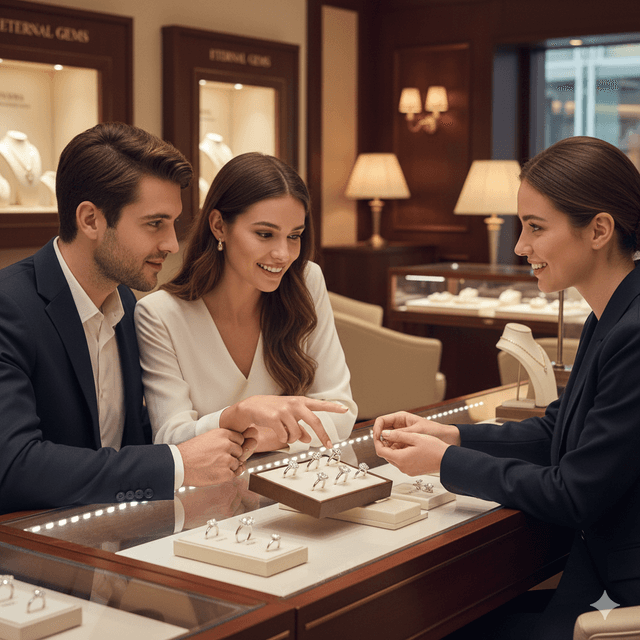
However, diamond buying often benefits from guidance. A diamond may look good on paper, but a specialist can help you understand whether it suits your ring design and budget. This is especially useful for engagement rings, custom pieces, and wedding bands.
The best approach is often a combination: start online to shortlist options, then contact the seller to ask questions. This gives you both convenience and confidence.
Common Mistakes When Buying Lab-Grown Diamonds in Belgium
One common mistake is buying only by carat weight. A bigger diamond is not always better. Cut, shape, and proportions can affect beauty more than size alone.
Another mistake is ignoring certification. Without a grading report, it is harder to compare diamonds properly. Some buyers also assume every lab-grown diamond is the same, but they vary significantly in quality, cut, and visual appearance.
Buyers sometimes forget about the setting. A diamond and setting should work together. A large diamond needs secure placement, and a wedding band should feel comfortable for daily wear. Finally, rushing the decision can lead to regret. A diamond purchase should feel clear and confident, not pressured.
Why Trust Uniglo Diamonds?
Uniglo Diamonds helps buyers explore lab-grown diamond options for engagement rings, wedding bands, loose diamonds, and fine jewellery. The goal is to make diamond buying clearer, easier, and more confident for modern buyers in Belgium and beyond.
Buying a lab-grown diamond should not feel confusing. You should understand the diamond's origin, certificate, 4Cs, shape, setting options, and value before making a decision. That is especially important for first-time buyers searching for lab-grown diamonds in Belgium or lab diamonds in Antwerp.
Whether you are choosing an engagement ring, wedding band, or custom diamond piece, the right guidance can help you make a better decision.
Frequently Asked Questions
More Topics