
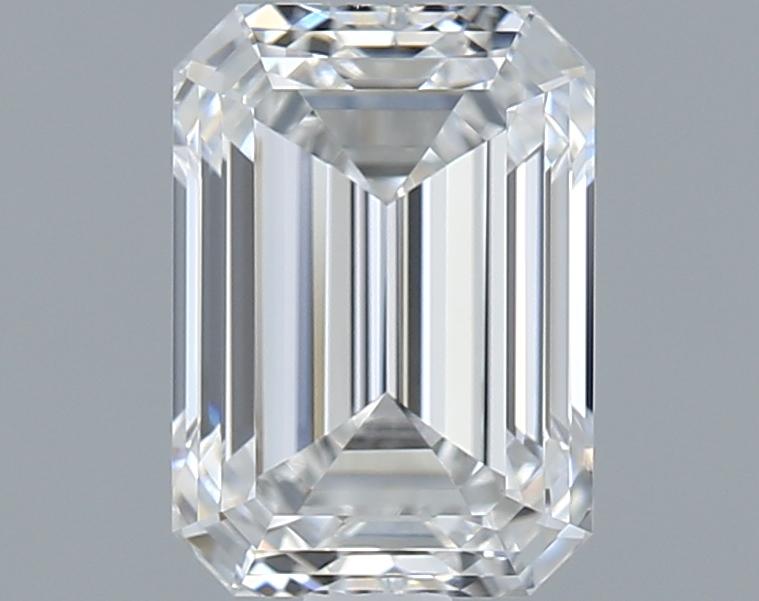
Emerald 1.51ct D VVS2
Stock ID: LC97287
Login required: Please login to view pricing information.
Diamond Specifications
Shape
Emerald
Carat
1.51 ct
Color
D
Clarity
VVS2
1.51 Carat Emerald Lab Grown Diamond
Quick Answer
This 1.51 carat emerald lab grown diamond features a D colour grade, VVS2 clarity grade and graded cut quality, making it a strong option for buyers looking for a certified loose diamond with clear specifications and visible beauty. Certified by IGI, this diamond is suitable for engagement rings, bespoke jewellery, solitaire settings, halo designs, pendants and other fine jewellery pieces where brilliance, proportion and quality matter.
Diamond Summary
This diamond is a 1.51 carat emerald lab grown diamond with D colour and VVS2 clarity. For buyers comparing loose diamonds online, these details are important because they explain how the diamond may appear in real life, how it performs visually, and whether it is suitable for the style of jewellery being created.
A diamond should not be judged by carat weight alone. Two diamonds with the same carat weight can look very different depending on their shape, measurements, cut quality, colour, clarity, polish, symmetry and certification. A well-balanced emerald diamond with strong proportions can often look more attractive than a larger diamond with weaker light performance.
| Diamond Detail | Specification |
|---|---|
| Diamond Type | Lab Grown |
| Shape | Emerald |
| Carat Weight | 1.51 |
| Colour Grade | D |
| Clarity Grade | VVS2 |
| Cut Grade | - |
| Polish | Excellent |
| Symmetry | Excellent |
| Fluorescence | None |
| Certificate | IGI |
| Measurements | 7.55x5.37x3.78 |
| Depth | 70.4% |
| Table | 60% |
| Stock Number | LC97287 |
| Availability | AVAILABLE |
About This Emerald Diamond
The emerald diamond is one of the most important style choices when selecting a loose diamond. Shape affects the personality of the stone, the way it appears on the hand, the kind of setting it suits, and how large it can look from the top view. The visual effect of a emerald diamond depends on its proportions, length-to-width ratio, facet pattern and setting style.
When choosing a emerald diamond, buyers should consider how the stone will be worn. A emerald diamond can work beautifully as the centre stone in an engagement ring, but it can also be used in pendants, earrings, anniversary jewellery and custom-made designs. The best setting depends on the proportions of the diamond and the final look the wearer wants to achieve.
| Shape Factor | What It Means For This Diamond |
|---|---|
| Shape Style | Emerald diamonds are chosen for their outline and visual personality. |
| Visual Size | The face-up size depends on the measurements (7.55x5.37x3.78), not only 1.51 carat weight. |
| Setting Suitability | Suitable for solitaire, halo, three-stone or bespoke settings. |
| Recommended Setting | This diamond suits a solitaire or three-stone setting. |
Understanding the D Colour Grade
Diamond colour has a direct effect on how white or warm a diamond appears. This diamond carries a D colour grade, which should be considered alongside the diamond’s shape, size, setting metal and personal preference. The right colour grade is the one that balances appearance, budget and design.
| Colour Consideration | Buyer Meaning |
|---|---|
| Colour Grade | D |
| Appearance | The visible colour depends on lighting, setting metal and diamond shape. |
| Best Setting Match | platinum or white gold can complement this colour grade well. |
| Buyer Priority | Good for buyers who want a balance of beauty, quality and value. |
Understanding the VVS2 Clarity Grade
Clarity describes the presence of natural internal characteristics, known as inclusions, and surface characteristics, known as blemishes. This diamond has a VVS2 clarity grade, which gives buyers an idea of how clean the diamond may appear under magnification and to the naked eye. The most important question is whether the diamond looks clean and beautiful when worn.
| Clarity Detail | What Buyers Should Know |
|---|---|
| Clarity Grade | VVS2 |
| Visibility | The visibility of inclusions depends on their position, size and contrast. |
| Shape Impact | Emerald diamonds may hide or reveal inclusions differently depending on facet style. |
| Buying Tip | Always consider clarity together with cut, colour, carat and certification. |
Why graded Cut Quality Matters
Cut quality is one of the most important factors in how a diamond performs. A diamond’s cut affects how light enters the stone, reflects inside it and returns to the eye, creating brilliance, fire and sparkle. This diamond has a graded cut grade. A well-cut diamond can look brighter, livelier and more balanced than a larger diamond with poor proportions.
| Cut Factor | Specification |
|---|---|
| Cut Grade | - |
| Polish | Excellent |
| Symmetry | Excellent |
| Depth | 70.4% |
| Table | 60% |
| Light Performance Focus | Brilliance, fire, sparkle and balanced proportions |
Why IGI Certification Matters
Certification gives independent confirmation of the diamond’s key characteristics, including carat weight, colour, clarity, cut details, measurements and origin. This diamond is certified by IGI, giving buyers a reliable document to review before making a purchase decision. Certified diamonds are easier to compare because the specifications are recorded by a recognised grading laboratory.
| Certification Detail | Information |
|---|---|
| Certificate Laboratory | IGI |
| Diamond Type Confirmation | Lab Grown |
| Graded Characteristics | Carat, colour, clarity, cut, measurements and other key details |
| Buyer Benefit | Independent grading helps buyers compare diamonds with confidence |
Is This a Natural Diamond or Lab Grown Diamond?
This diamond is listed as a lab grown diamond. Natural diamonds and lab grown diamonds can look extremely similar, but they have different formation stories, pricing structures and buyer considerations. A lab grown diamond is a real diamond created using advanced technology in a controlled environment, with the same chemical, optical and physical properties as a natural diamond. Buyers often choose lab grown diamonds for value, size options and modern production.
| Comparison Point | This Diamond |
|---|---|
| Diamond Type | Lab Grown |
| Origin | Created in a controlled laboratory environment |
| Composition | Carbon diamond crystal |
| Certification | IGI certified |
| Buyer Reason | Value, size options and modern production |
Is This Diamond Suitable for an Engagement Ring?
This 1.51 carat emerald lab grown diamond can be considered for an engagement ring because it combines a defined shape, certified grading and a clear quality profile. The emerald shape can influence the final style of the ring, whether set as a solitaire, halo, three-stone or hidden halo design. This diamond’s D colour, VVS2 clarity and graded cut should be considered together when designing the ring.
| Engagement Ring Factor | How This Diamond Fits |
|---|---|
| Centre Stone Potential | Suitable for engagement ring consideration |
| Shape Style | Emerald |
| Carat Presence | 1.51 carat |
| Colour Profile | D |
| Clarity Profile | VVS2 |
| Recommended Setting Direction | a solitaire or three-stone setting |
How This Diamond Compares to Other Options
When comparing this diamond with other loose diamonds, buyers should look at the full quality picture instead of one grade at a time. This 1.51 carat emerald diamond should be compared with other diamonds of similar carat weight, shape and certification, reviewing colour, clarity, cut, polish, symmetry, fluorescence and measurements together.
| Comparison Area | What To Compare |
|---|---|
| Carat | Compare with diamonds close to 1.51 carats |
| Shape | Compare with other Emerald diamonds |
| Colour | Compare D with nearby grades |
| Clarity | Compare VVS2 with nearby clarity options |
| Cut and Finish | Review graded, Excellent and Excellent together |
| Certificate | Compare IGI certified diamonds with similar grading standards |
Who Should Consider This Diamond?
This diamond is suitable for buyers who want a certified loose diamond with transparent grading and a clear quality profile. It may appeal to someone searching for a emerald engagement ring centre stone, a custom jewellery diamond, a fine jewellery upgrade or a meaningful gift. Because it is a lab grown diamond, it may also appeal to buyers comparing natural and lab grown diamonds before deciding which origin is right for them.
Common Buyer Questions
| Question | Answer |
|---|---|
| Is this 1.51 carat diamond a good size? | A 1.51 carat diamond can offer strong visual presence, especially when the emerald shape and measurements are well balanced. |
| Is D colour good for a diamond? | D colour can be a strong choice depending on the setting metal, diamond shape and buyer preference. |
| Is VVS2 clarity good? | VVS2 clarity should be judged by how visible the inclusions are in real viewing conditions, ideally eye-clean. |
| Is IGI certification reliable? | A IGI certificate gives buyers independent grading information to compare this diamond against other certified diamonds. |
| Does a Emerald diamond sparkle well? | A emerald diamond can sparkle beautifully when its cut, polish, symmetry and proportions are well balanced. |
Final Buying Guidance
This 1.51 carat emerald lab grown diamond brings together the main qualities buyers usually consider when choosing a certified loose diamond: shape, carat weight, colour, clarity, cut quality, certification and overall visual appeal. For engagement rings, bespoke jewellery and meaningful fine jewellery purchases, the strongest choice is usually the one that balances beauty, trust and value. If you are comparing this diamond with others, review the IGI certificate, confirm the measurements and consider the intended setting.
Frequently Asked Questions About This 1.51 Carat Emerald Lab Grown Diamond
Is this 1.51 carat emerald diamond a good choice?
This 1.51 carat emerald diamond can be a strong choice for buyers who want a certified loose diamond with clear specifications and a distinctive appearance. The right choice depends on how the carat weight, emerald shape, D colour, VVS2 clarity and graded cut quality work together.
Is D colour good for this diamond?
A D colour grade can be a good choice depending on the buyer’s preferred appearance, setting metal and budget. For this emerald diamond, the D colour grade should be considered together with the VVS2 clarity, graded cut and final setting style. Platinum or white gold can complement it well.
Is this diamond eye-clean?
Whether this diamond is eye-clean depends on the type, size, position and visibility of its inclusions. A VVS2 clarity grade can often appear clean to the naked eye, but buyers should review the certificate, image and video where available before deciding.
Is this diamond natural or lab grown?
This diamond is listed as a lab grown diamond. A lab grown diamond is created in a controlled environment using advanced technology and has the same properties as a natural diamond. The right choice depends on personal preference, budget and long-term priorities.
Is this diamond good for an engagement ring?
Yes, this 1.51 carat emerald diamond can be considered for an engagement ring because it has a defined shape, certified specifications and a clear quality profile. The emerald shape works well in solitaire, halo, three-stone, hidden halo and bespoke settings.
What setting is best for a Emerald diamond?
The best setting for a emerald diamond depends on its outline, proportions and the buyer’s preferred style. For this diamond, a solitaire or three-stone setting can be a suitable direction.
What should I check before buying this diamond?
Review the IGI certificate, confirm the 1.51 carat weight, check the D colour and VVS2 clarity grades, compare the measurements (7.55x5.37x3.78), and consider the graded cut, Excellent polish and Excellent symmetry alongside the final setting and metal colour.